The Body Side of Anxiety: Why You Can’t Think Your Way Calm
Most people try to manage anxiety with their mind. They analyse their thoughts, repeat affirmations, try to stay positive, and remind themselves they’re safe - yet still feel wired, unsettled, and on edge.
That’s because anxiety doesn’t live only in the mind.
It lives in the body.
You might feel it as a tight chest, a racing heart, restless legs, or a strange tension you can’t shake. Sometimes it’s a background buzz - not panic, but a steady hum of unease. Other times it hides under tiredness, irritability, or brain fog.
For many of the clients we see at George Street Wellness Clinic, this is how anxiety really shows up. It doesn’t always feel like fear. It feels like holding your breath without realising it.
Anxiety Is a Body-First Response
Anxiety begins as a nervous-system reaction - not a thought.
When the brain perceives threat, whether that’s an argument, a looming deadline, or even a past memory, the fight-flight-freeze response switches on automatically. Adrenaline surges. Muscles tighten. Heart rate rises.
This system evolved to protect us. But modern life rarely gives it the “all clear.” Constant notifications, work pressure, and emotional load keep the nervous system running on high alert.
So even when there’s no immediate danger, the body stays braced - as if something bad might happen at any moment.
You can tell yourself you’re fine, but your body doesn’t believe you yet.
The Hidden Ways Anxiety Lives in the Body
Because the nervous system leads, anxiety often shows up physically before we ever label it as anxiety.
You might notice:
- Morning tension - waking up with your shoulders already tight.
- Digestive changes - bloating, nausea, or appetite loss when stressed.
- Restless energy - tapping, fidgeting, constantly needing to “do.”
- Shallow breathing - breath stuck in the chest rather than the belly.
- Tiredness that rest doesn’t fix - your body never truly switches off.
- Feeling detached or numb - as if you’re observing life from outside.
These are not random quirks or signs of weakness. They’re the body’s language - subtle signals that it’s been holding stress for too long.
Why Thinking Harder Doesn’t Help
When anxiety takes hold, the prefrontal cortex (the logical, reasoning part of your brain) temporarily goes offline. The body has already decided it’s unsafe, and the mind’s calm explanations can’t override that decision.
That’s why telling yourself to “relax” or “stop worrying” rarely works. It’s like trying to reason with a smoke alarm while it’s ringing - the system isn’t listening.
To calm anxiety, you have to communicate with the part of the brain that speaks body language - sensation, movement, breath, rhythm, and grounding.
When you soothe the body first, the mind follows.
Ways to Calm Anxiety Through the Body
These gentle practices help your body receive the message that it’s safe again. They’re not quick fixes but small doorways back to regulation.
1. Anchor into physical sensation
When you notice anxiety rising, shift focus from your thoughts to your senses.
Press your feet firmly into the ground. Notice their weight. Feel the surface beneath you.
It sounds simple, but grounding into physical reality tells your nervous system: “I’m here. I’m safe in this moment.”
2. Lengthen the exhale
Try breathing in for a count of 4 and out for a count of 6 or 8.
Longer exhalations stimulate the vagus nerve, which activates the body’s relaxation response.
Just two minutes of slow breathing can change your heart rate, blood pressure, and muscle tone - measurable proof that your body is shifting from “threat” to “calm.”
3. Offer warmth or weight
A warm compress on the chest, a weighted blanket, or even a comforting hand on your sternum can bring immediate grounding. The body reads warmth and gentle pressure as safety.
4. Move before you soothe
If anxiety feels high, start with gentle movement - walking, shaking out your hands, rolling your shoulders.
Movement helps discharge the adrenaline that fuels the anxious state, making stillness easier afterwards.
5. Create “micro-rests”
You don’t need an hour of meditation. Take thirty seconds between tasks to notice your breath or step outside for a few deep breaths. Frequent micro-rests retrain your body to pause before overwhelm sets in.
When the Body Forgets How to Relax
If your nervous system has been on high alert for years, it may struggle to shift gears on its own. That’s where gentle, body-based therapies can help.
At George Street Wellness Clinic, I support clients who feel caught in the cycle of overthinking and tension. Therapies such as acupuncture, reflexology, EFT (Emotional Freedom Technique), and counselling all work in different ways to help the body remember what safety feels like.
Acupuncture
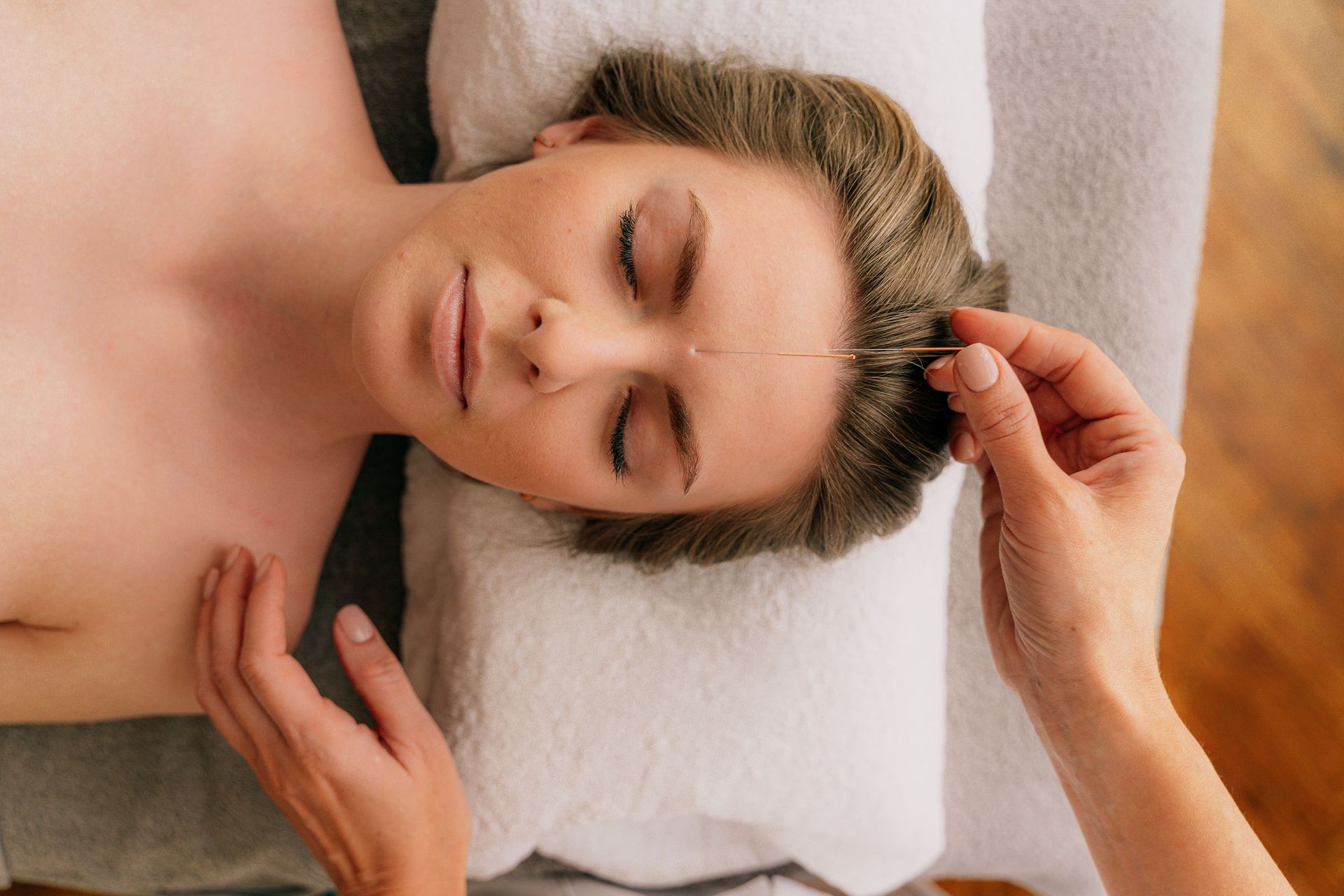
By stimulating specific points, acupuncture helps regulate the nervous system, balance hormones, and calm the stress response. Many clients describe a deep, grounded sense of relaxation that lasts well beyond the session.
Reflexology
Working through the feet, reflexology supports the whole body by improving circulation and easing tension. It’s particularly helpful when anxiety feels physical — tight chest, jaw, or shoulders — and rest feels impossible.
EFT (Tapping)
EFT combines light tapping on acupressure points with focused awareness. It helps release emotional charge from stressful memories or looping thoughts, reducing the intensity of anxiety over time.
Counselling
Sometimes anxiety stems from unspoken worries, grief, or relationship patterns. Counselling provides space to explore these safely - and often, simply naming what’s been held inside allows the body to finally exhale.
Together, these approaches don’t just help you “manage” anxiety - they help you re-train your body to return to calm as its natural baseline.
Real-World Example
One of the most powerful reminders that anxiety - and healing - live in the body comes from a recent client who shared her experience with EFT (tapping):
“I've had ongoing health issues for almost 10 years and I was unsure about trying a new therapist and Tapping but I'm so glad I let my sister convince me to contact Nancy.
Nancy has helped me more in the 10 sessions we have had than anyone else in the last 10 years. Tapping has allowed me to deal with issues that had been weighing me down and helped me see that my fears are just that - fears, not facts.
Previously I had tried EMDR with another therapist and had found it a traumatic experience each time, with little real impact on my conditions. But with tapping, I can feel a difference each time.
It hasn't ‘cured’ me, but it has made my day-to-day life easier.
Nancy is a supportive and lovely person who knows a lot about her field and adapts each session to tackle the key issues for that time to ensure I can get the most help from each session.
I can't thank Nancy enough for the help she has given me, and to anyone who is reading this and looking for a way forward - please help yourself by getting in touch with her. It's the best decision I've made in a long time.”
Her words capture something essential: that healing anxiety isn’t about instant fixes or erasing symptoms - it’s about learning how to work with your body, not against it.
EFT, like many of the therapies offered at George Street Wellness Clinic, helps the body feel safe enough to release what it’s been holding - one layer at a time.
Take the Next Step
When you begin to soothe anxiety through the body, everything else - sleep, energy, mood, focus - starts to follow. And you don’t have to do it alone.
If your body has been holding onto anxiety, start by giving it the support it needs.
Download my Nervous System Support Toolkit for simple daily practices to help your body rest and rebalance.
Or explore the Therapies I offer from acupuncture and reflexology to EFT and counselling to find a deeper kind of calm that lasts.