Can Acupuncture Really Help with Hormonal Imbalance? Here’s What to Know
Hormonal imbalances are incredibly common — especially among women — and yet, they’re often misunderstood, misdiagnosed, or brushed off as “just part of life.”
If you’ve ever felt dismissed when bringing up symptoms like irregular cycles, mood swings, fatigue, or sleep issues, you’re not alone.
At George Street Wellness Clinic, I see many clients who are often looking for a more holistic, natural way to support their bodies and one question I hear time and again is:
Can acupuncture really help with hormonal imbalance?
I wanted to explore what the research and real-world experience say and how acupuncture may support your body in coming back into balance.
What Is Hormonal Imbalance?
Hormones are your body’s chemical messengers. They influence nearly everything — from your menstrual cycle and mood to your energy, digestion, fertility, weight, and sleep.
Hormonal imbalance happens when there’s too much or too little of one or more hormones in the bloodstream. It’s not just about oestrogen or progesterone — it can involve cortisol (your stress hormone), thyroid hormones, insulin, and others too.
Common symptoms of hormonal imbalance include:
- Irregular or painful periods
- PMS or PMDD
- Fertility struggles
- Acne or skin changes
- Low libido
- Fatigue and burnout
- Anxiety, low mood, or irritability
- Weight fluctuations
- Poor sleep or night sweats
While hormonal shifts are normal (puberty, pregnancy, perimenopause), ongoing imbalances can cause disruption to your day-to-day wellbeing.
How Acupuncture Supports Hormonal Health
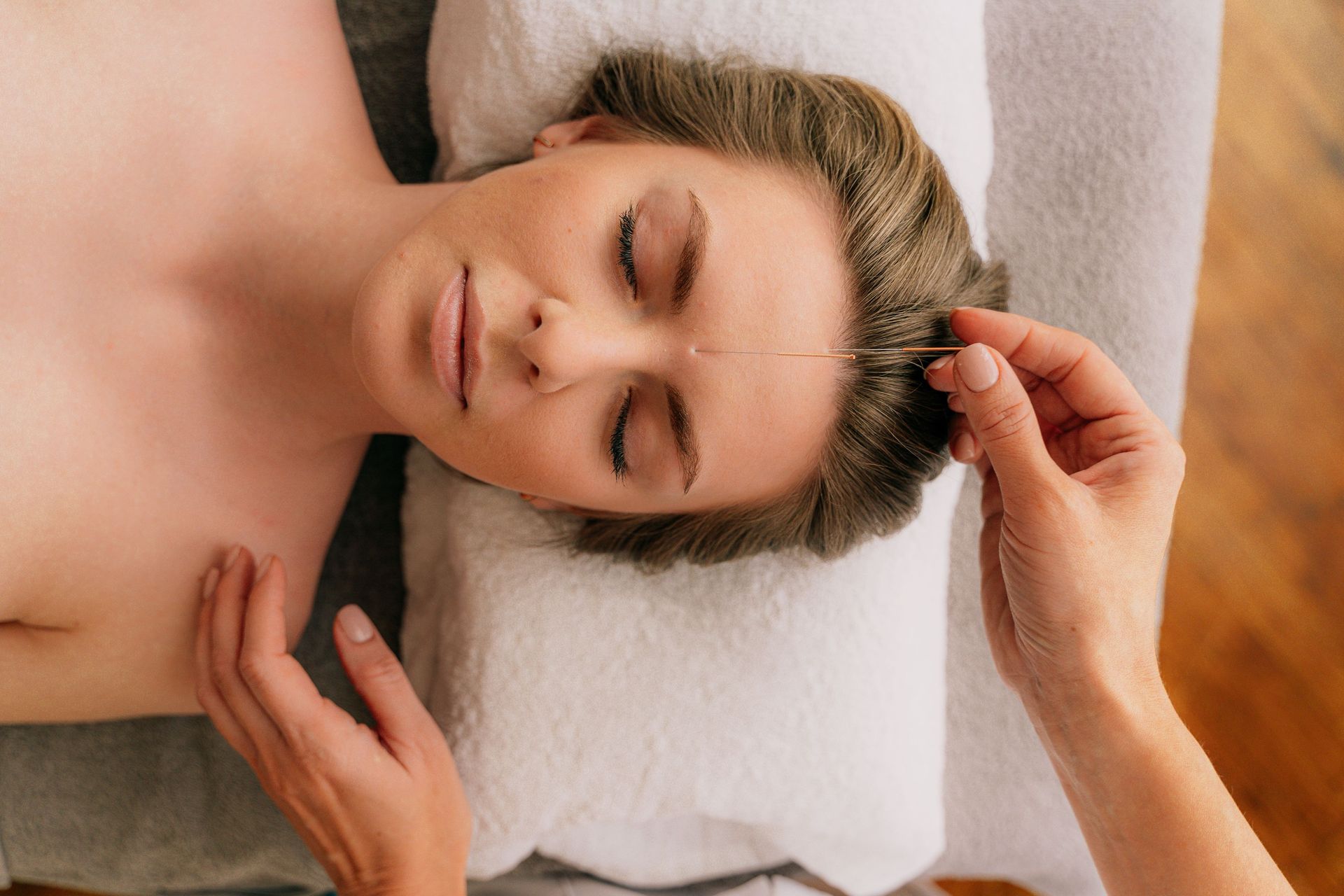
Acupuncture is part of Traditional Chinese Medicine (TCM), which views the body as a whole, interconnected system. Instead of treating symptoms in isolation, acupuncture focuses on restoring balance - gently helping your body function as it was designed to.
In TCM, hormonal imbalance is often linked to disruption in the flow of Qi (energy), or imbalances in organs like the Kidneys, Liver, or Spleen, which are thought to play key roles in reproductive and hormonal health.
From a biomedical perspective, acupuncture is believed to work by:
- Regulating the endocrine system — including the hypothalamus and pituitary gland
- Improving blood flow to the reproductive organs
- Balancing the nervous system and reducing stress response
- Supporting the HPA axis, which governs your stress hormones
What the Research Says
While more large-scale studies are needed, emerging research supports the idea that acupuncture may help with a range of hormone-related issues. For example:
- Menstrual irregularities: Acupuncture has been shown to help regulate periods, especially in those with PCOS (Polycystic Ovary Syndrome) or amenorrhea (absence of periods).
- Fertility: Some studies suggest acupuncture may increase blood flow to the uterus and support healthy ovulation, especially when combined with other fertility treatments.
- PMS and PMDD: Acupuncture can help reduce symptoms such as bloating, mood swings, breast tenderness, and irritability.
- Menopause: Many women report reduced hot flushes, better sleep, and improved mood with regular acupuncture sessions.
- Thyroid support: Acupuncture may help regulate thyroid function indirectly by supporting stress resilience and inflammation levels.
While it’s not a magic fix, acupuncture works well as part of a broader, personalised wellness plan.
Acupuncture offers a gentle, non-invasive way to reconnect with your body. Often, within a few sessions, clients report:
- Better sleep and deeper rest
- More regular or less painful periods
- Calmer mood and fewer emotional ups and downs
- Less bloating and better digestion
- A renewed sense of energy and balance
Every session at George Street Wellness Clinic is tailored to you — your cycle, your symptoms, your story. I will take a full picture of your wellbeing and create a treatment plan that honours where you are.
How Many Sessions Will I Need?
This depends on your symptoms and how long they’ve been present. Some people feel a shift within 1–2 sessions, while others benefit from a longer course of treatment over several weeks.
In general, hormonal rebalancing is a gradual process. I often recommend starting with a block of 4–6 weekly sessions, followed by monthly maintenance or as needed depending on your cycle or goals (e.g., fertility, perimenopause).
Complementary Therapies That Can Help
Acupuncture works beautifully alongside other gentle, body-centred therapies I offer at the clinic:
- EFT (Emotional Freedom Technique) can help release emotional patterns and reduce the impact of stress on the body
- Counselling offers space to explore your emotional landscape and mental wellbeing, which are deeply connected to hormonal health
- Reflexology can help improve circulation, relaxation, and nervous system balance
Together, these approaches help restore harmony from the inside out. If you're ready to explore how acupuncture could support your hormones please get in touch here.