You Don’t Have to Be 'Strong' All the Time: The Power of Letting Yourself Rest
How many times have you said, “I’m fine,” when really, you’re not?
How often have you pushed through tiredness, held it all together, or kept showing up for everyone else - even when you felt like you were running on empty?
I see it all the time at George Street Wellness Clinic: strong, capable, kind-hearted people who have learned to keep going, no matter how much they’re holding.
And while strength is beautiful, there’s something even more powerful: allowing yourself to rest.
The Pressure to Be “Strong”
So many of us have grown up believing that strength means being endlessly capable.
That we must:
- Keep going, no matter what
- Manage everything alone
- Not ask for help unless it’s “serious”
- Feel guilty for slowing down
But this constant over-functioning — emotionally, mentally, physically — comes at a cost. It can leave you feeling:
- Exhausted or burned out
- Disconnected from your own needs
- Frustrated that no one seems to notice how much you do
- Anxious, resentful, or emotionally flat
It’s a kind of tiredness that sleep alone won’t fix. And often, it’s only when we stop that we realise just how much we’ve been carrying.
Rest Is Not Weakness
Rest isn’t lazy. It’s not selfish. It’s not something you have to earn. Rest is a form of resistance in a world that glorifies exhaustion. It’s how we restore, replenish and reconnect with who we really are.
When you give yourself permission to rest, without guilt, you allow your body and nervous system to relax. You create space for clarity, healing, and peace. And you send yourself a powerful message: I matter too.
Why You Might Struggle to Rest
I often meet clients who find it hard to slow down, even when they’re deeply tired.
You might notice:
- A constant need to be doing or achieving
- Guilt when you stop or say no
- Trouble relaxing, even during time off
- Beliefs like “I should be coping better” or “I don’t have time to rest”
These patterns usually have deep roots - linked to childhood experiences, people-pleasing, perfectionism, or simply being the one who’s always held it all together.
But these patterns can be worked through. You don’t have to keep pushing forever.
Therapies That Support Rest and Reconnection
At George Street Wellness Clinic, I offer therapies designed to create space for deep rest — not just for your body, but for your mind and emotions too.
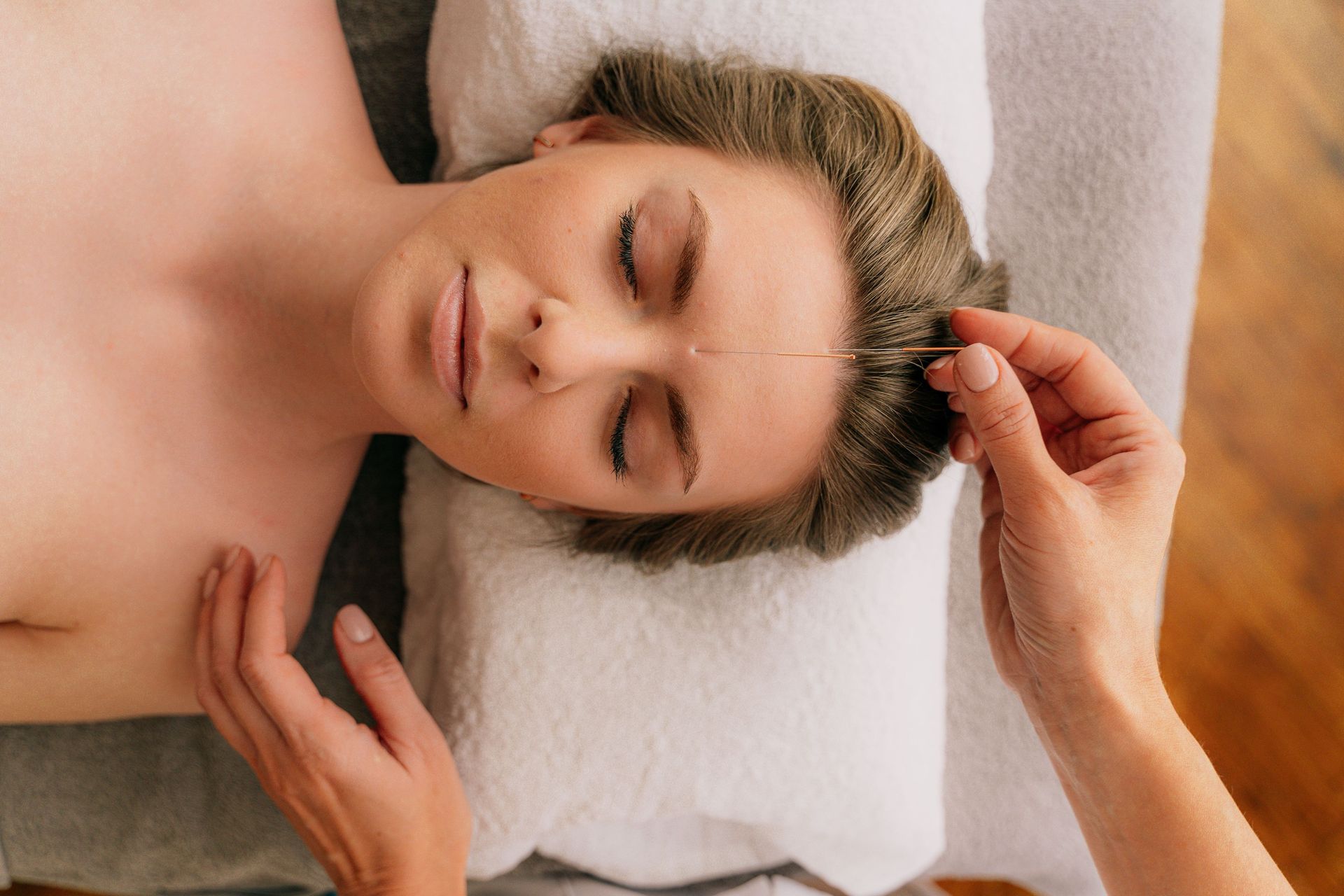
Acupuncture
Gently regulates the nervous system, eases tension, and supports sleep. Many clients say they leave their sessions feeling lighter, clearer, and more grounded.
Reflexology
Calms the body and mind through working on the feet. It’s especially supportive for emotional overload, hormonal imbalance, and burnout.
Counselling
Provides a safe space to explore the pressure you carry and find other ways to care for yourself, without needing to prove or perform.
EFT (Emotional Freedom Technique)
Combines talk and tapping to help release internal pressure and emotional tension. Ideal for those who struggle to let go of “doing it all.”
One of the most common things I hear is:
“I wish I’d come sooner.”
You really don’t need to be in crisis for therapy. You don’t need to wait until you’re completely burned out. If you'd like to find out more about the services I offer please click here.